
Give yourself three cards from a mixed deck repeatedly, deciding “play” or “fold” verbally against the Q‑6‑4 reference. Start slowly, then accelerate until the judgment becomes instinctive. This drill removes the delay that can trigger indecision during actual cash hands.
Incorporate the pair plus evaluation to each practice hand. Concurrently record whether the hand would have won the side bet. This combined builds the mental muscle to track both wagers without distraction. After a few hundred repetitions, the limit feels natural and the side bet becomes background information.
Leveraging Free Play Mode Tactically
Jackpot Bob Casino’s free play version is a goldmine for training. Set a goal of zero strategy mistakes over 100 straight hands, comparing each choice against perfect strategy. Without financial pressure, you zero in solely on fundamentals. Once you achieve that perfect streak, transitioning to real play is just about managing nerves, not memorizing strategies.
Analyzing the Pair Plus Side Bet
The pair plus wager stands apart from the ante. You’re betting that your own three cards will be a pair or better. A common pay table gives even money for a pair, 3:1 for a flush, 6:1 for a straight, 30:1 for three of a kind, and 40:1 for a straight flush. The dealer’s hand is irrelevant, so you can win this side bet even when your main hand loses.
The house edge on pair plus stands about 7.28% on the standard layout, far above the 3.37% on the ante‑play game with perfect strategy. That doesn’t make it unplayable, but think of it as a high‑variance entertainment side bet. The 40:1 top prize lands roughly once every 460 hands, so bankroll stamina counts.
Watch for alternative pay tables. winnipegfreepress.com Some layouts feature 4:1 on a flush and 5:1 on a straight, shifting the edge by several percentage points. At Jackpot Bob Casino, check the felt or game‑rules panel before placing this wager. A small tweak in the middle payouts alters the long‑term cost noticeably.
Pair Plus as a Bankroll Management Tool
We view the pair plus bet as a volatility lever. On a modest bankroll, skip it and stick to the ante‑play structure. The lower house edge protects your funds and stretches your session, letting you enjoy the rhythm without steep swings. If you crave big‑win adrenaline, add a pair plus wager at a fraction of your ante (half or a quarter works well).
This layered approach maintains the core game sustainable while still giving you a shot at the 40:1 payout. A cold streak on the side bet won’t swiftly exhaust your stack when it’s sized small. Treat the pair plus as a thrill add‑on, not a profit centre.
How the Ante and Play Wager Functions
Three Card Poker commences with an ante and three face‑up cards. The dealer holds three cards hidden. After you check your hand, you either fold (surrendering the ante) or make a play bet equal to the ante to face the dealer. No draws, no discards, so that first call is it. The two‑bet setup means every hand demands a strategy decision.
The dealer needs queen‑high or better to qualify. If she misses qualification, your play bet pushes and the ante pays even money. When the dealer qualifies and defeats your hand, you forfeit both bets. Weak hands sometimes grab the ante win because the dealer does not qualify, which rescues marginal cards. That rule determines the whole play‑or‑fold cutoff.
Ante bonuses provide on premium hands no matter what the dealer displays. A straight offers 1:1, three of a kind 4:1, and a straight flush 5:1. You receive these even when the dealer captures the showdown, effectively giving you a small insurance payout on your strongest holdings.
Ante Bonus: Guaranteed Returns on Premium Hands
When you possess a straight or better, the ante bonus locks in a profit. The bonus triggers regardless of what the dealer uncovers, so you never discard these hands. Even if the dealer shows a straight flush, your straight still gets its 1:1 bonus. This safety net ensures your best hands always yield something, removing the sting out of a lost play bet.
The ante bonus doesn’t change the fold‑or‑play call for borderline hands because you already wager any qualifying Q‑6‑4. Still, it reinforces the discipline of keeping all premium holdings. I’ve seen players freak out and fold a straight, forfeiting a guaranteed bonus. Trust the mechanics: the bonus is a rule, not a gamble.
The Reasoning Behind When to Fold and When to Play
The major error is copying the dealer’s qualification and only playing queen‑high or better. Optimal strategy requires you to play any hand of queen‑six‑four or higher. That exact cutoff is where folding and playing have the same expected value against the dealer’s range. Playing anything weaker drains chips over time.
Check your three cards to Q‑6‑4 in order: highest card first, then second, then third. Queen‑seven‑two surpasses the threshold because the seven tops the six. Queen‑five‑ace falls below it, ace or not, because the five is weaker than the six. The comparison is cold math; there’s no room for intuition.
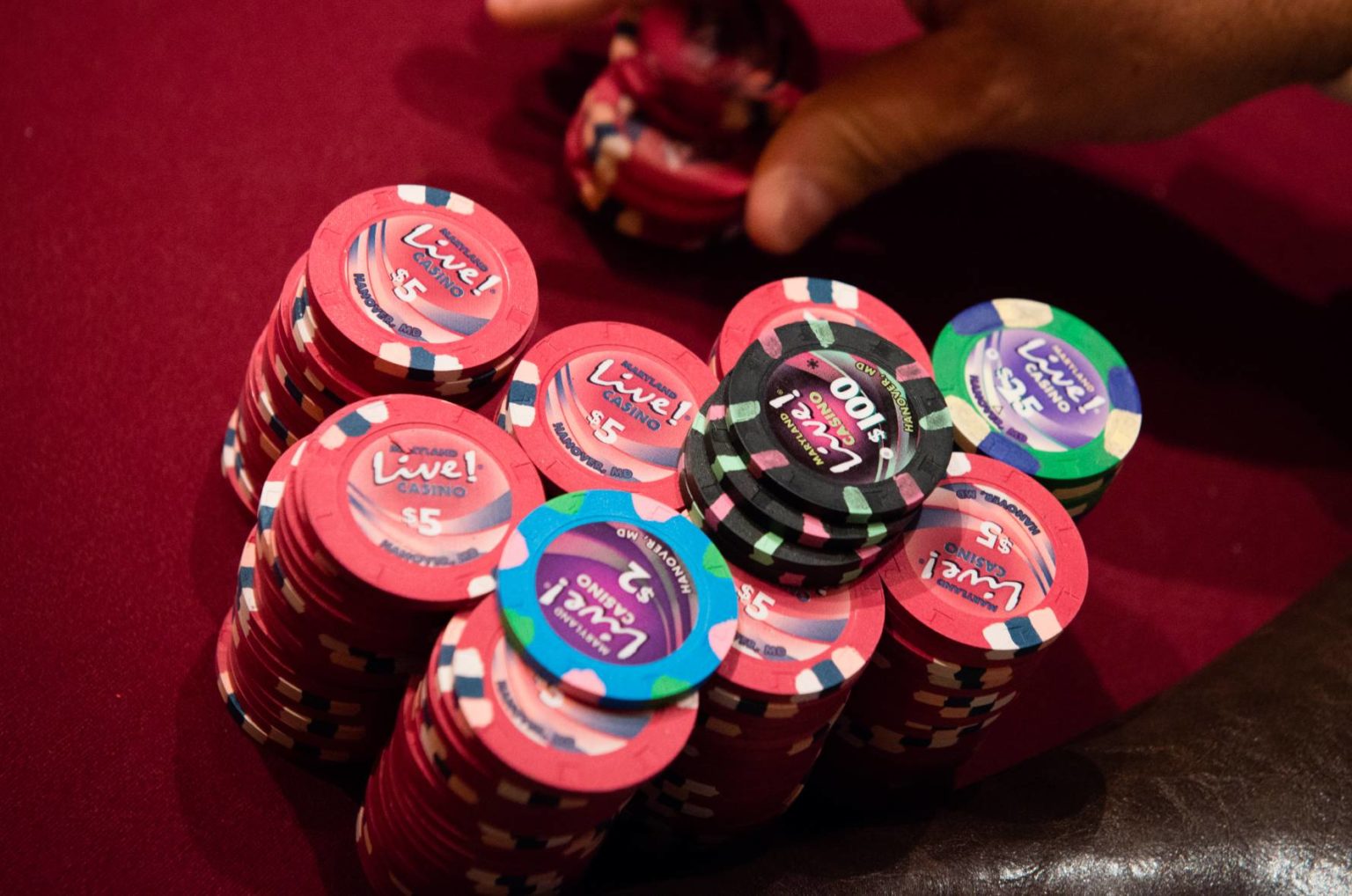
The Q‑6‑4 rule works because the dealer fails to qualify about 33% of the time with that holding. That non‑qualification bump, plus your small chance of beating a qualifying dealer hand, pushes the expected value into positive territory. Fold weaker and you save the extra play wager; play it and you slowly lose chips.
Enjoying Three Card Poker Online
Online Three Card Poker at Jackpot Bob Casino instantly guarantees correct payouts and moves much faster than a physical table. You’ll see many more hands per hour, increasing variance and learning. Use low‑stakes tables to master the Q‑6‑4 rule until it’s automatic, then move up.
The mobile‑optimised platform allows you to pause before each decision. Without table pressure, you can follow the Q‑6‑4 comparison step by step. Take advantage of this calm environment during the early learning phase; disciplined decisions become habit faster when nobody is waiting.
Using Casino Bonuses Work for Table Games
Examine the wagering contribution terms of any Jackpot Bob Casino bonus. Slots usually contribute 100%, while table games like Three Card Poker might offer only 5–20%. This distinction matters because clearing a playthrough with table play can take much longer than you’d expect.
Some promotions ban table games entirely or cap the maximum bet size https://jackpotbobs-casino.com/. Open the promotional terms page and locate the game contribution chart before depositing. A bonus that looks generous may be impractical for a dedicated Three Card Poker player, so clarity upfront eliminates withdrawal headaches later.
Mistakes That Drive Up the House Edge
Several repeat mistakes drive the house edge well above the optimal 3.37%. Each error might seem tiny, but they compound fast over a few hundred hands. Look out for these pitfalls and you’ll keep more chips in your stack.
- Discarding hands like Q‑7‑3 that beat the Q‑6‑4 threshold, surrendering equity.
- Seeking to raise the play wager beyond the ante when holding a premium; the rules cap it.
- Changing ante size wildly as a betting system; the edge stays constant, so only variance changes.
- Forgetting that a straight beats a flush in three‑card rankings.
- Viewing the pair plus as a must‑play rather than an entertainment side bet.
Hand Ranking Pitfalls in Three Card Poker
Three‑card hand rankings trip up many players. Straights outrank flushes here because they’re statistically rarer with three cards: 48 straight combos versus 1,096 flush combos. If you rejoice a flush only to lose to a straight, you’ve stumbled upon this counterintuitive twist. Readjust your instincts away from five‑card poker norms.
The mini‑royal, a suited A‑K‑Q, sits at the very top, above a straight flush. While exceptionally rare, understanding the pecking order prevents confusion when it appears. The full ranking is: mini‑royal, straight flush, three of a kind, straight, flush, pair, high card. Keep that hierarchy close.
Reading the Dealer’s Qualification Patterns
The dealer fails to qualify approximately 30% of the time overall. Nearly one in three hands delivers an automatic ante win, no matter how weak your cards look. Maintaining that statistic in mind enables you ride out stretches of low cards without ditching the Q‑6‑4 rule out of frustration.
When the dealer manages to qualify, queen‑high and king‑high hands show up far more often than premium holdings. Your marginal Q‑6‑4 will lose to many of these qualifying hands, but the long‑run profit comes from the combined effect of non‑qualification wins plus occasional victories over weak qualifying hands. Count on the aggregate math, not short‑term results.
Bankroll and Session Planning
A solid session buy‑in accounts for at least 50 ante round cycles. At £1 antes plus equal play stakes, a £100 bankroll provides a ample buffer. Downswings of ten hands or more occur often even with flawless strategy, so this cushion protects you from standard variance. If you include a pair plus bet, boost the bankroll proportionally.
Set a win goal and a loss limit ahead of the session. The quick online pace blurs time and money, so guardrails preserve the experience fun. We generally suggest walking away after multiplying your session bankroll or dropping 60% of it. These boundaries cement profits during hot runs and stop chasing losses during cold spells.
Common Questions
Why does a straight beat a flush in Three Card Poker?
With only three cards dealt, straights are statistically rarer: 48 combinations versus 1,096 flushes. These rankings are based on math, not five‑card poker rules. Memorize the order so you never misjudge your hand strength.
Is card counting possible in Three Card Poker?
Counting cards provides almost no advantage. The game uses a fresh shuffle each hand, with no community cards or drawing rounds to track. Instead, put your mental effort into learning the Q‑6‑4 rule.
Is the pair plus bet worth playing?
The pair plus carries a higher house edge, making it mathematically inferior. If you like the excitement of big payouts and treat it as entertainment, wager less than your ante to control the added risk.
What occurs when the dealer and I tie?
The ante and play bets both push, and you get your chips back. This is most common with tied high‑card hands. Even on a push, premium‑hand ante bonuses are paid as long as your hand qualifies.